
Recovering from gambling addiction Steps towards a renewed life
Understanding Gambling Addiction
Gambling addiction, often referred to as compulsive gambling, is a significant behavioral disorder that impacts many individuals worldwide. It manifests as an uncontrollable urge to gamble despite the negative consequences that may ensue. Understanding the psychological aspects of this addiction is vital, as it can help those affected recognize their behaviors and seek the necessary help. Many individuals may find themselves in a cycle of borrowing money or neglecting personal responsibilities due to their gambling habits. For those looking to enjoy their gambling experience while ensuring security, exploring options like best payout online casino platforms can be beneficial.
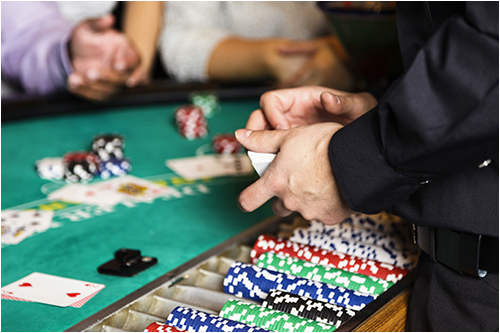
Recognizing the signs of gambling addiction is the first step toward recovery. These signs include preoccupation with gambling, increasing amounts of money wagered, and continued gambling despite losses. It is essential for individuals and their loved ones to be aware of these indicators to initiate a conversation about seeking help.
The Impact on Life and Relationships
Gambling addiction can have a devastating impact on personal and professional relationships. Family members may feel betrayed or neglected as the individual becomes consumed by their gambling habits. Trust issues often arise, leading to conflicts and potential estrangement. It is crucial for individuals recovering from gambling addiction to address these relationships, as mending them can be an integral part of the recovery process. Moreover, understanding the potential effects on finances can provide further motivation for those seeking change.
In addition to personal relationships, gambling addiction can affect professional life. Many individuals may experience job loss or decreased productivity as they prioritize gambling over their career responsibilities. Understanding these consequences can motivate individuals to seek help and alter their behaviors for a healthier future.
Steps Towards Recovery
Recovering from gambling addiction is a multi-step process that requires commitment and support. One of the first steps involves acknowledging the problem. Admission is crucial, as it allows individuals to confront their gambling habits and understand the need for change. Seeking professional help through counseling or support groups can provide the necessary guidance and accountability in this journey. As they progress, maintaining awareness of responsible gambling practices is paramount for those looking to move forward.
Developing coping strategies is also essential in the recovery process. Individuals should explore healthy alternatives to gambling that can provide satisfaction and fulfillment. This may include engaging in hobbies, exercise, or spending time with loved ones. Building a supportive network can further enhance the recovery experience, offering encouragement and understanding during challenging times.
Maintaining a Renewed Lifestyle
Once an individual begins the recovery process, maintaining a renewed lifestyle is crucial for long-term success. This involves setting realistic goals and actively monitoring one’s progress. Regular reflection on the journey can help individuals remain focused on their recovery and recognize the positive changes they have made.
Additionally, learning to manage triggers is vital. Individuals must identify situations that may provoke the urge to gamble and develop strategies to avoid or cope with them. Engaging in continuous self-education about gambling addiction can empower individuals and reinforce their commitment to recovery, ensuring that they remain on the right path.
Resources for Support
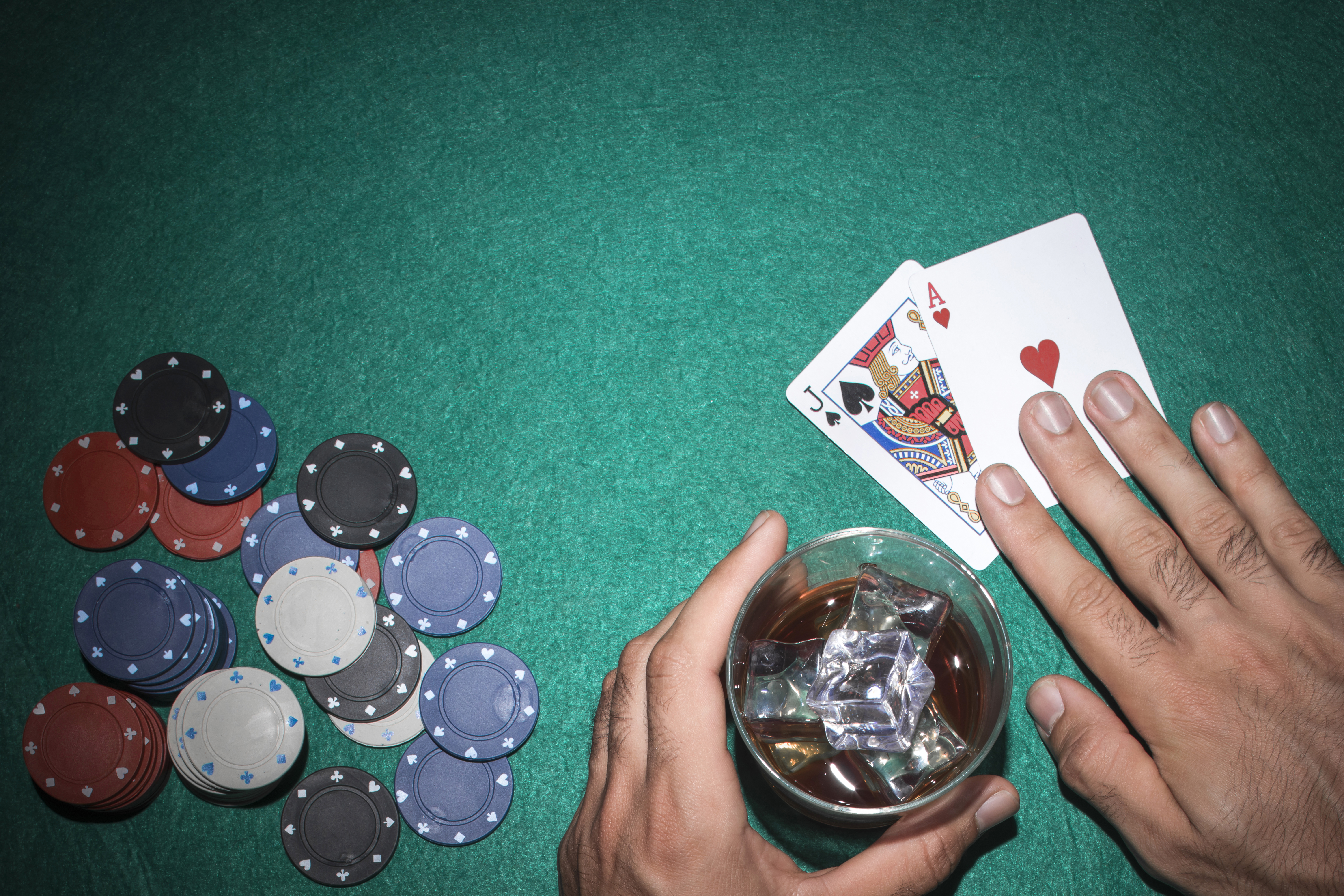
Finding reliable resources and support systems is essential for anyone recovering from gambling addiction. Various organizations offer assistance, including counseling services, helplines, and support groups tailored to those affected by gambling. These resources can provide individuals with the tools they need to navigate their recovery and connect with others who share similar experiences.
Staying informed about responsible gambling practices can also aid in the prevention of relapse. Individuals should educate themselves on the risks of gambling and the importance of maintaining a balanced approach to recreational activities. This proactive approach can foster a healthier lifestyle and promote sustained recovery from gambling addiction.